Thinking about starting a business in New York? You're not just choosing a location; you're stepping into one of the world's most powerful economic hubs. The state is already home to over 2 million small businesses, and for good reason. With incredible access to capital and a diverse, deep talent pool, it's a top-tier destination for any entrepreneur ready to make their mark.
Why New York Is Your Launchpad for Success
Launching in the Empire State is about way more than a prestigious address on your business card. It's about plugging directly into an incredible network of opportunity. The sheer density of industries here—from finance and tech to fashion and media—creates this unique environment where innovation just happens. Cross-industry collaboration isn't a buzzword; it's what happens over coffee on a Tuesday. You're not just starting a company; you're joining a living, breathing community.
This ecosystem is supercharged by serious financial muscle. New York City is the second-largest tech hub on the planet, with its ecosystem valued at a mind-boggling $621 billion. And the money is still flowing in. In the second quarter of 2024 alone, NYC tech companies raised $7.72 billion in venture capital—that’s a massive 43% jump from the previous quarter. That kind of surge shows you just how confident investors are, and it provides a critical lifeline for startups hungry for growth. You can get more insights into the NYC tech boom and its economic impact.
Tapping into a World-Class Talent Pool
Let's talk about one of New York's greatest assets: its people. The state is packed with some of the world's best universities, churning out a constant stream of highly educated, ambitious graduates. Whether you need a top-tier software developer, a brilliant marketing mind, or a seasoned financial analyst, the talent you need to build a killer team is right here. This direct line to a deep and diverse workforce gives New York businesses a serious competitive advantage.
Navigating the NYS Business Ecosystem
Okay, the opportunities are huge, but let's be real—navigating the state's requirements can look intimidating from the outside. The good news is that New York has put some solid resources in place to help entrepreneurs get started on the right foot.
The state-run New York Business Express website, for example, is a centralized hub designed to make your life easier.

This tool is great because it gives you a personalized checklist of the licenses and permits you'll actually need. It helps you cut through the red tape and make sure you're fully compliant from day one, which is a huge weight off your shoulders.
Starting a business here means tapping into an infrastructure that's literally built for success. When you combine the access to money, the incredible human capital, and the supportive government resources, you get fertile ground for new ventures to not just survive, but to really take off.
You can feel the energy here. It’s palpable. From the packed networking events in Manhattan to the supportive startup communities growing in Buffalo and Rochester, the spirit of enterprise is everywhere. This guide is here to walk you through the practical, real-world steps to turn your vision into a reality in this incredible landscape.
Choosing the Right Business Structure
Deciding on your business's legal structure is one of the first, and most important, decisions you'll make when launching in New York. This isn't just about paperwork; it directly impacts your personal liability, how you'll be taxed, and your ability to bring on partners or get investment down the road. It sets the rulebook for your whole operation.
Think of it like picking the right vehicle for a trip. A sleek sports car is great for a solo drive, but a disaster if you need to haul equipment. An RV is comfortable, but not agile. In the same way, the perfect structure for a freelance designer in Queens is completely wrong for a Manhattan tech startup looking for venture capital.
Let's break down the most common options so you can figure out which one fits your specific journey.
New York Business Structure Comparison
Before we dive deep, here's a quick side-by-side look at the most common business structures in New York. This table should help you get a bird's-eye view of your options.
Structure Liability Protection Taxation Best For Sole Proprietorship None (personal assets at risk) Pass-through (reported on personal tax return) Freelancers, consultants, and low-risk solo ventures. General Partnership None (partners are personally liable) Pass-through (shared among partners) Two or more people starting a simple, low-risk business. LLC Strong (protects personal assets) Flexible (pass-through or corporate) Most small businesses, from service providers to retailers. Corporation (C-Corp / S-Corp) Strongest (separate legal entity) Corporate (C-Corp) or Pass-through (S-Corp) High-growth startups seeking investors or established businesses.
This comparison is a great starting point, but the devil is in the details. Let's dig into what each of these really means for you.
The Easiest On-Ramp: Sole Proprietorships
A sole proprietorship is the default setup for anyone doing business alone. If you start working as a freelancer and don’t formally register as anything else, congratulations—you're a sole proprietor. It's the simplest and cheapest way to get started, with almost no formal paperwork.
But this simplicity comes at a price. There's no legal separation between you and your business. If your business gets sued or racks up debt, your personal assets—your car, your savings account, your home—are on the line.
- Who it’s for: Freelancers, consultants, and single-owner service businesses who are just starting out and have a very low risk of liability.
- Key takeaway: Super easy to start, but you get zero personal liability protection. It's a trade-off.
When You Have a Co-Pilot: Partnerships
A partnership is basically a sole proprietorship for two or more people. Like its solo counterpart, it’s easy to form, but it shares the same huge drawback: unlimited personal liability. In a general partnership, every partner is personally responsible for the business's debts, even those racked up by another partner.
This is a critical point that trips up a lot of new partners. If your business partner makes a costly mistake, creditors can come after your personal assets to settle the score, no matter who was at fault.
This structure demands a massive amount of trust and, more importantly, a rock-solid partnership agreement to function smoothly. Without one, you're just winging it.
The Modern Go-To: The LLC
There's a reason the Limited Liability Company (LLC) has become so popular. It offers a fantastic middle ground: the liability protection you get from a corporation mixed with the tax flexibility and simplicity of a partnership. Your personal assets are shielded from business debts and lawsuits.
For instance, a photographer in Brooklyn who forms an LLC protects her personal savings if a client sues over a contract dispute. Her liability is generally limited to the assets held by the business itself. One unique quirk in New York is the publication requirement—you have to announce your new LLC in local newspapers, which can be a surprising cost. Don't skip this step; it's mandatory.
Built for Growth: Corporations
Corporations (S-Corps and C-Corps) are more complex beasts. They are completely separate legal entities from their owners. This structure provides the strongest liability protection but comes with more formal rules, like holding board meetings, appointing officers, and keeping detailed records.
A C-Corporation is the go-to for startups planning to chase venture capital. Investors love C-Corps because it makes issuing stock clean and simple. The downside? "Double taxation"—the corporation is taxed on its profits, and then shareholders are taxed again on their dividends.
An S-Corporation gets around that double taxation. Profits and losses pass directly through to the owners' personal income, much like an LLC. However, S-Corps have strict limits on who can be a shareholder and how many you can have. For a deeper look at the specifics, our brief primer on forming corporations in New York offers more detailed guidance.
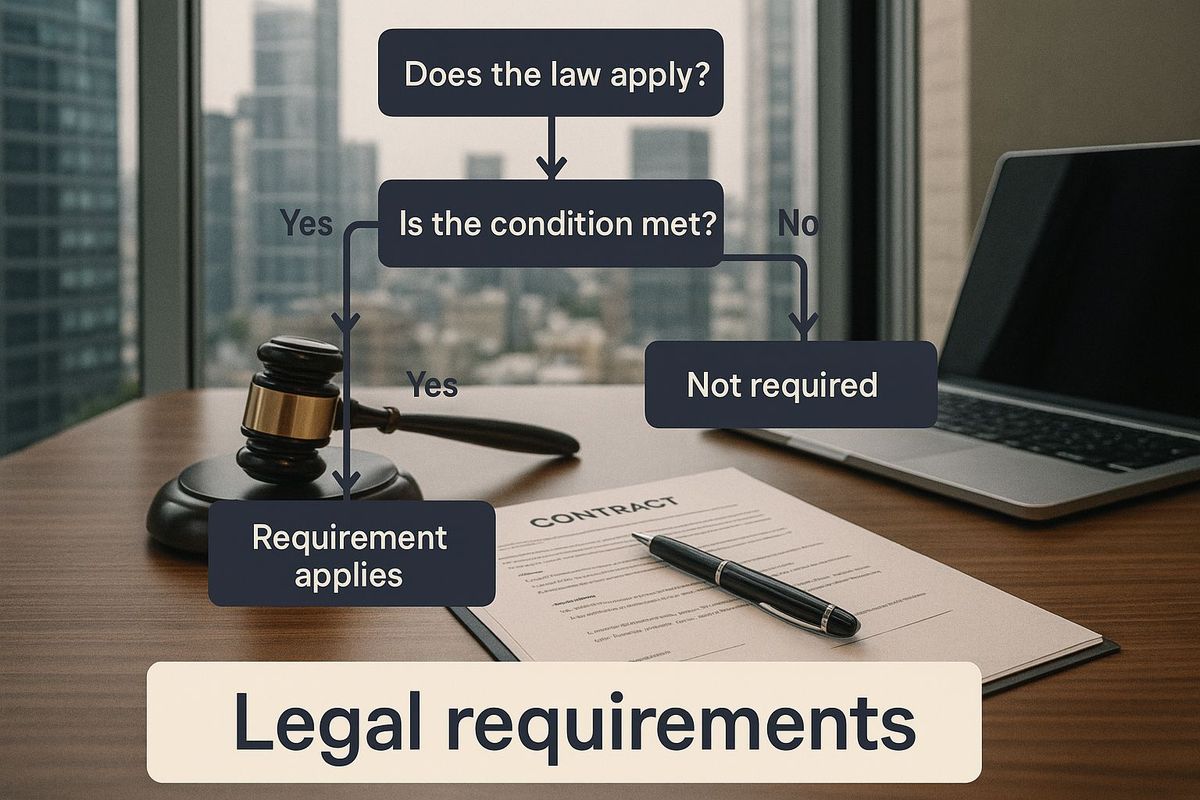
Navigating these legal decisions is a core part of building a solid business foundation in New York. Choosing correctly now saves you a world of headaches later.
How to Register and Name Your NY Business

Alright, you've picked your business structure. Now for the exciting part: making it real. This is where you officially introduce your venture to the State of New York by choosing a name and filing the right paperwork. It can feel like a bureaucratic maze, but trust me, if you break it down into clear, manageable actions, it's a pretty straightforward process.
Your business name is everything. It's your first impression and the core of your brand, so it needs to be unique, memorable, and—most critically—available. New York won't let you register a name that's already taken or even one that's just too similar to an existing business in its database.
Before you get too attached to a name, your very first stop should be the New York Department of State's Corporation and Business Entity Database. A quick search there will tell you instantly if your brilliant idea for a name is actually up for grabs.
Securing Your Business Name
Let's say you want to launch "Gotham City Grooming." A quick database search shows it's available. Perfect! But what if you aren't quite ready to file your formation documents today? New York has you covered. You can file an "Application for Reservation of Name," which holds your chosen name for 60 days. This gives you some much-needed breathing room to get the rest of your ducks in a row.
Once you've confirmed the name is available, you need to think about the bigger picture—your brand's entire digital footprint.
- Check Domain Availability: Is the .com version of your name available? If it is, grab it immediately. Don't wait, even if you don't plan on building a website right away.
- Social Media Handles: Are the matching handles on Instagram, X, and TikTok free? Claim them now to keep your branding consistent across all platforms.
- Trademark Search: Do a quick search on the U.S. Patent and Trademark Office (USPTO) database. You want to be sure your name doesn't step on any federally registered trademarks. Protecting your brand early is key, and you can learn more by checking out our guide on trademarking a business name.
Filing Your Formation Documents
With your name secured, the next move is filing formation documents with the New York Department of State. The exact document you'll file depends on the business structure you chose earlier.
- For LLCs: You'll file the Articles of Organization. This is the document that officially creates your Limited Liability Company.
- For Corporations: You'll file a Certificate of Incorporation. This is the equivalent document for creating a C-Corp or S-Corp.
You can file these online for the fastest turnaround or submit them by mail if you prefer. Just be ready for the filing fees, which are $200 for an LLC and $125 for a corporation.
Pro Tip: When you file, you have to designate the New York Secretary of State as your agent for service of process. This just means that if your business ever gets sued, legal papers will be sent to the Secretary of State, who will then forward them to the address you provide.
The Infamous LLC Publication Requirement
Heads up, because here’s a New York-specific hurdle that trips up a lot of new entrepreneurs. If you form an LLC, you are legally required to publish a notice of your company's formation in two newspapers for six consecutive weeks. You have to get this done within 120 days of your LLC becoming effective.
The county clerk where your business is located designates the newspapers you have to use. Be warned: this can be a significant and unexpected expense, especially in New York City where the costs can easily run over $1,000. Once the publication period is over, you have to file a Certificate of Publication with the Department of State. If you miss this, the state can suspend your LLC's authority to do business. Don't let that happen.
Getting Your Federal Employer Identification Number
Once New York State has officially recognized your business, your next move is to get a Federal Employer Identification Number (EIN) from the IRS. The simplest way to think about an EIN is as a Social Security number for your business.
You'll need an EIN for just about everything, including:
- Opening a business bank account.
- Hiring employees and running payroll.
- Filing your federal and state business tax returns.
Applying for an EIN is completely free, and you can do it in a matter of minutes on the official IRS website. This is a vital step that legitimizes your business and is absolutely essential for keeping your personal and business finances separate from day one.
New York City’s status as a global financial hub makes it a magnet for startups, especially in fintech. It’s no surprise that, according to 2025 data, NYC is the 8th U.S. city for fast-growing companies per capita, powered by investments from top-tier venture capital firms. You can explore more about New York City's fastest-growing companies on Growjo.com.
Navigating New York Licenses, Permits, and Taxes
Getting your business officially registered is a fantastic first step, but it’s really just the starting line. For anyone launching a business in New York, the real marathon is keeping up with the state's intricate web of licenses, permits, and tax rules. This is where the details can make or break you, and getting it right from day one is your best defense against fines and legal troubles that can stop a new venture in its tracks.
Think of it this way: your business registration is the foundation of a house. Licenses and tax compliance are the plumbing and electrical systems. The structure might look solid, but without them, it's not functional, safe, or legal. Every industry and every town in New York has its own set of rules, which means every entrepreneur has a unique compliance blueprint to follow.
Pinpointing Your Specific Licensing Needs
Figuring out exactly which licenses you need can feel like a maze. A tattoo parlor in Ithaca has completely different requirements than a software consultancy in Manhattan.
The good news? New York created a seriously powerful tool to help cut through the confusion. The New York Business Express portal is your best friend here. You answer a series of questions about your specific industry and where you'll be operating, and it spits out a personalized checklist of the federal, state, and local permits your business actually needs.
This tool helps you ditch the guesswork. For instance, if you're opening a small café in Buffalo, you won't just need a general business license. You'll also be looking at:
- A Food Service Establishment Permit from the county health department.
- A Liquor License from the State Liquor Authority if you plan to serve alcohol.
- A Sidewalk Café License from the city if you want those coveted outdoor tables.
Using the Business Express portal makes sure you don’t miss these critical, industry-specific requirements that are so easy to overlook. For a deeper dive into the whole process, check out our guide on how to get a business license in New York.
Understanding Your New York Tax Obligations
Once you're licensed, your next big responsibility is managing taxes. This isn't just a once-a-year thing; it's an ongoing process that demands your attention. Let's break down the key taxes you'll almost certainly run into.
First up is the Certificate of Authority. If you plan to sell goods or provide taxable services in New York, you absolutely must register with the Department of Taxation and Finance to get this certificate. It’s what gives you the legal right to collect sales tax. You have to get this done at least 20 days before you make your first sale.
Remember, the sales tax you collect isn't your money. You're just holding it for the state. Meticulous records are non-negotiable if you want to remit the right amount on time and avoid trouble.
Beyond sales tax, if you’ve formed a corporation, you'll be dealing with the New York State franchise tax. This is basically a tax for the privilege of doing business here, and it’s calculated based on your business's income or capital. Even if you aren't profitable yet, you might still have a minimum tax bill, so it's vital to factor this into your financial planning from the start.
Managing Payroll and Insurance Requirements
Planning to hire even one employee? A whole new layer of compliance just kicked in. You'll need to register for payroll taxes, which means withholding state income tax from employee paychecks and sending it to the state. This is a huge responsibility with very strict deadlines.
On top of that, New York requires employers to carry specific types of insurance to protect their people.
- Workers' Compensation Insurance: This is mandatory. It covers medical costs and lost wages for employees injured on the job.
- Disability Benefits Insurance: This provides temporary income to employees who can't work because of an injury or illness that happened off the job.
- Unemployment Insurance: You'll pay into a state fund that provides temporary income to employees who lose their job through no fault of their own.
These aren't suggestions. Failing to get the right insurance can lead to some pretty severe penalties. To make sure your business is fully protected and meets all its legal duties, it's critical to understand the world of commercial insurance in New York. Getting these requirements handled correctly builds a solid, compliant foundation, letting you focus on what really matters—growing your business.
Building Your Operational Foundation
Once you've filed the paperwork and your business officially exists in the eyes of New York State, the real work begins. This is where you shift from legal theory to the nitty-gritty of running a company. It's time to build the infrastructure that will actually support your growth, establish credibility, and protect you from day one.
The first, non-negotiable step? Open a dedicated business bank account. Seriously, don't skip this. It's more than just tidy bookkeeping; it's a critical firewall between you and your company.
Mixing personal and business funds is one of the fastest ways to "pierce the corporate veil," a legal term that basically means you could lose the liability protection of your LLC or corporation. If that happens, your personal assets are suddenly on the line if the business gets sued. A separate account keeps everything clean, professional, and audit-ready.
Securing Your Financial Footing
Opening an account is pretty straightforward. You'll just need your formation documents (like the Articles of Organization) and your Employer Identification Number (EIN). With those in hand, you can set up a financial home for your company. This is essential for managing cash flow, taking payments, and eventually building business credit.
Of course, having a bank account doesn't mean it's full. Securing capital is often the first major hurdle for any entrepreneur. If you're looking for guidance on this front, exploring a resource like How to Fund a Startup: An Ultimate Founder's Guide can offer some much-needed clarity on everything from bootstrapping to venture capital.
Think of your business bank account as the central nervous system of your company's finances. Every transaction, from paying a vendor to receiving a client payment, flows through it. Keeping it separate ensures you have a clear, accurate picture of your business's financial health at all times.
This isn't just a best practice—it's foundational to building a business that lasts.
Protecting Your Venture with Business Insurance
Next up: business insurance. I know, it feels like just another expense when you're starting out, but it's one of the smartest investments you can make. It’s the safety net that protects all your hard work from those "what if" moments that could otherwise be financially devastating.
And in New York, some types of insurance aren't just a good idea—they're the law. If you have even one employee, you are legally required to carry:
- Workers' Compensation Insurance: This covers medical bills and lost wages for any employee who gets injured on the job.
- Disability Benefits Insurance: This provides income for employees who suffer an injury or illness that happens outside of work.
Failing to have this coverage can bring on some nasty penalties. Beyond what's mandatory, you should strongly consider general liability insurance. This is what protects you from claims of bodily injury or property damage. Imagine a client slips and falls in your office, or a piece of equipment you're installing damages their property—this is the policy that would cover those costs.
Establishing Your Digital Presence
Finally, let's talk about locking down your brand's digital assets. In today's market, your online presence is just as important as your physical one. Before you even think about launching, you need to claim your digital real estate.
Start by securing a domain name that matches your business name. A professional domain builds instant credibility and makes it easy for customers to find you. While you're at it, set up a professional email address (e.g., yourname@yourcompany.com). Using a generic Gmail or Yahoo address just screams "newbie" and can make your business seem less established than it is.
These operational steps—banking, insurance, and digital branding—are the true building blocks of a resilient business. In New York, small businesses are the engine of the economy, accounting for 99.8% of all businesses and employing 46.6% of the workforce. They contributed a net gain of over 54,000 jobs, proving just how vital a strong foundation is for growth. You can discover more insights about the impact of small businesses on New York's economy from the SBA.
By getting these essentials right from the start, you're not just checking boxes; you're setting your venture up for long-term success.
Common Questions About Starting a NY Business
Even with a solid plan, a few nagging questions always pop up when you're starting a business in New York. It's totally normal to wonder about the real costs, whether you actually need a lawyer, and all the other little details that come with the territory.
Let's cut through the noise and tackle some of the most common questions I hear from entrepreneurs. Think of this as your quick-and-dirty FAQ for getting started in the Empire State.
How Much Does It Really Cost to Start?
This is the big one, and the only honest answer is: it depends. The state filing fees are straightforward—$200 for an LLC and $125 for a corporation—but that's just the entry ticket. The real number is shaped by your industry, your business model, and where you set up shop.
A freelance copywriter working out of their Buffalo apartment might be all-in for under $500. Their costs are basically the LLC fee and a domain name. But if you’re opening a small café in Queens? You’re looking at tens of thousands of dollars for rent, equipment, inventory, permits, and payroll right out of the gate.
The biggest wildcard for New York LLCs is the mandatory publication requirement. This isn't pocket change. Depending on your county, this can run you anywhere from a few hundred bucks to over $1,000. It's a huge, NY-specific cost you absolutely have to factor in.
To get a real sense of your startup costs, you need to sit down and make a list of everything. I'm talking legal fees, software, insurance, marketing materials—every single line item.
Do I Need a Lawyer to Register My Business?
Legally speaking, no. You are not required to hire an attorney to form your business in New York. Plenty of entrepreneurs get their single-member LLCs off the ground using online services or by navigating the Department of State's website themselves, especially for simple setups.
But just because you can do it yourself doesn't always mean you should.
- When you should call a lawyer: If you have partners, plan on raising money from investors, or operate in a heavily regulated field (like finance or healthcare), getting legal counsel isn't just a good idea—it's essential.
- What a lawyer really does: A good business attorney does more than just fill out forms. They help you craft a rock-solid operating agreement or partnership agreement. This is the document that saves you from future headaches by defining how the business runs, how profits are split, and what happens when disagreements (inevitably) arise.
Think of it like this: paying a lawyer now is preventative medicine for your business. It can save you from catastrophic legal bills and stress down the line.
Can I Run a Business From My Home?
Yes, you absolutely can, but you have to do your homework first. Home-based businesses are incredibly common in New York, but you're still subject to local zoning laws. And these rules can change dramatically from one town to the next, or even one block to the next.
Some residential zones have tight restrictions on commercial activity, especially if you have clients coming to your door, make a lot of noise, or want to put up a sign. Your first stop should be your local town or county clerk's office to find out exactly what's allowed.
And if you rent? Check your lease agreement carefully. Chances are you’ll need to get written permission from your landlord before you start operating.
What Is This LLC Publication Requirement?
Ah, the infamous New York LLC publication rule. This one catches a lot of people by surprise. Within 120 days of your LLC being officially formed, state law requires you to publish a notice of its formation in two different newspapers for six straight weeks.
It's not just any newspaper, either. The county clerk where your LLC is based will designate the specific publications you have to use. Once the six weeks are up, the newspapers give you an affidavit of publication. You then file that proof, along with a Certificate of Publication, with the Department of State.
Don't skip this. Failing to comply can lead to the state suspending your LLC's authority to do business. It's a non-negotiable step that needs to be in your budget from day one.
Navigating the legal landscape of starting a business in New York can be complex. At Cordero Law, we specialize in empowering entrepreneurs like you with clear, strategic counsel. If you need a partner to help you build a solid legal foundation, visit us at corderolawgroup.com to learn how we can help.